Skip Navigation

Why California Residents Have Stronger Credit Reporting Protections Than Most Americans – And How to Actually Use Them

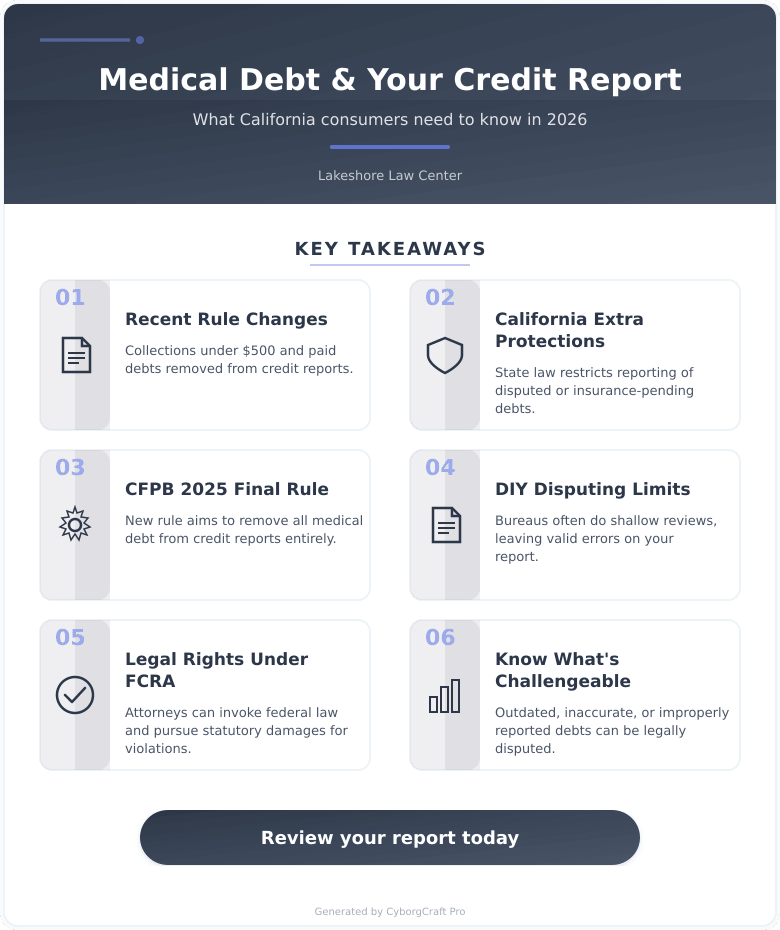
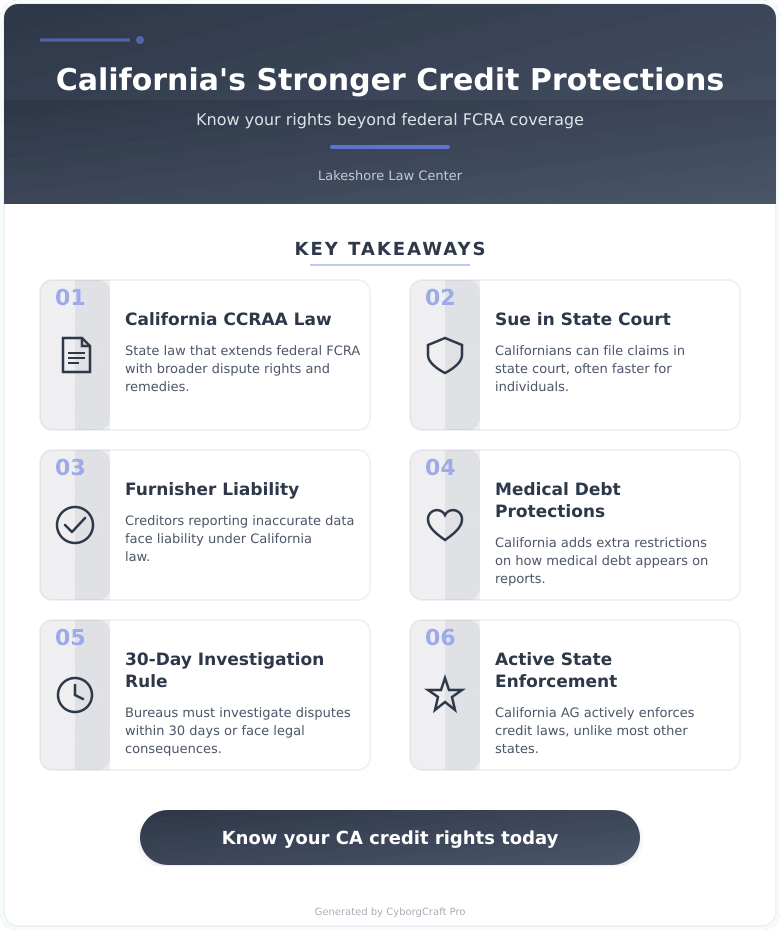
California residents hold credit reporting rights that most Americans simply do not have access to. The California Consumer Credit Reporting Agencies Act extends federal protections by giving consumers the ability to sue data furnishers, pursue claims in state court, and hold credit bureaus accountable for inadequate investigations. This piece breaks down how California law compares to neighboring states like Nevada, Arizona, and Oregon, outlines a practical step-by-step dispute process for 2026, and identifies the most common mistakes that undermine consumer disputes. Medical debt rules tightened significantly in 2025, and knowing how those changes interact with your credit file matters now. Whether dealing with a collection account, an outdated entry, or a creditor who ignored your dispute, California law provides more legal paths than most people realize.

The Real Reason Your Credit Score Isn’t Moving Even After You Paid Off the Debt – And What to Do About It

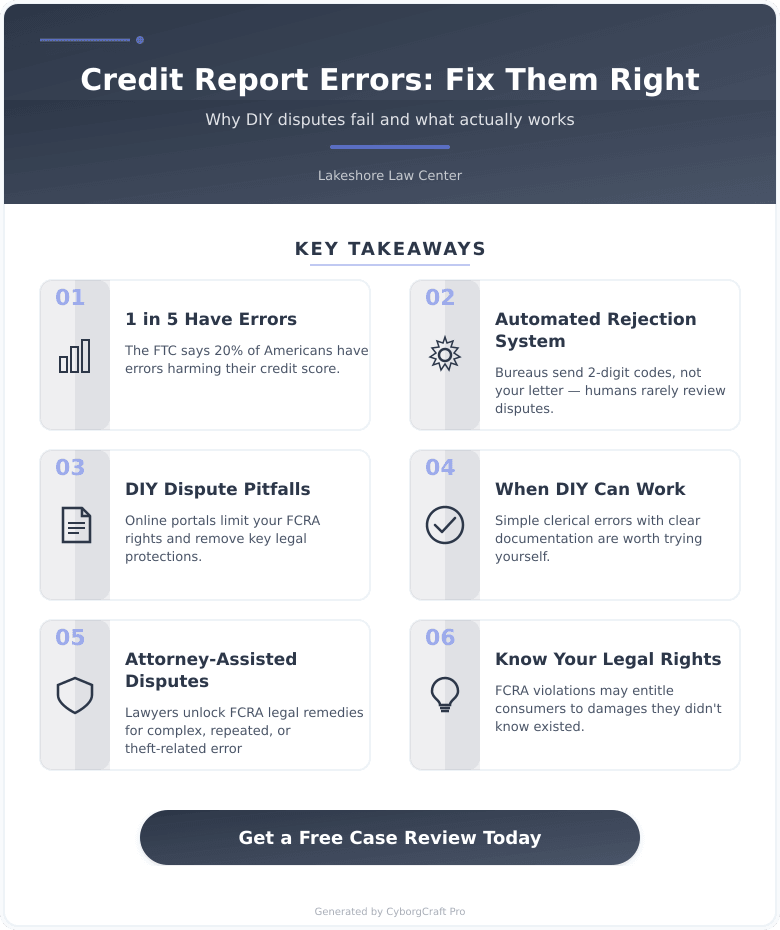
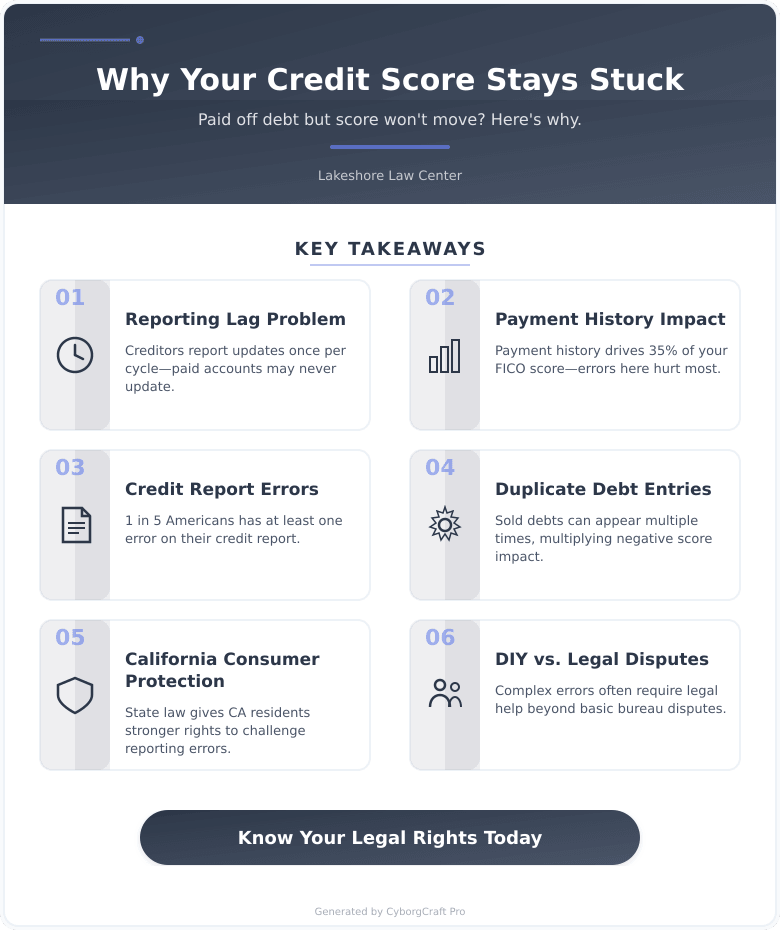
Paying off a debt and having your credit report accurately reflect that payoff are two completely different things – and the gap between them is why so many consumers find their scores stuck after doing everything right. Creditors don’t always update account statuses promptly, paid collections can linger as open negatives, and duplicate entries from multiple debt buyers can pile up unnoticed. California consumers have stronger dispute rights than most Americans under both the federal Fair Credit Reporting Act and the state’s own credit reporting laws, giving them real tools to push back. Simple errors often respond to DIY bureau disputes, but repeated or ignored errors may warrant legal action – which is often cost-free to the consumer under FCRA fee-shifting provisions. Knowing which path fits your situation can save months of frustration and unlock the score improvement you’ve already earned.

Charged-Off Accounts, Re-Aged Debt, and Duplicate Collections – The Three Credit Report Violations That Are More Common Than You Think

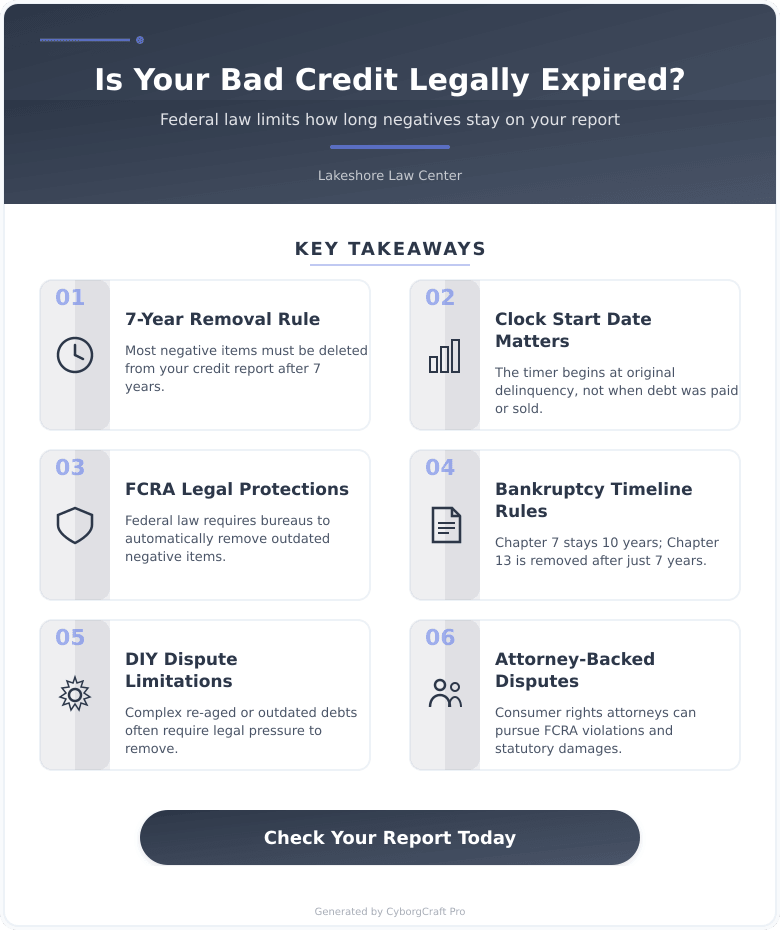
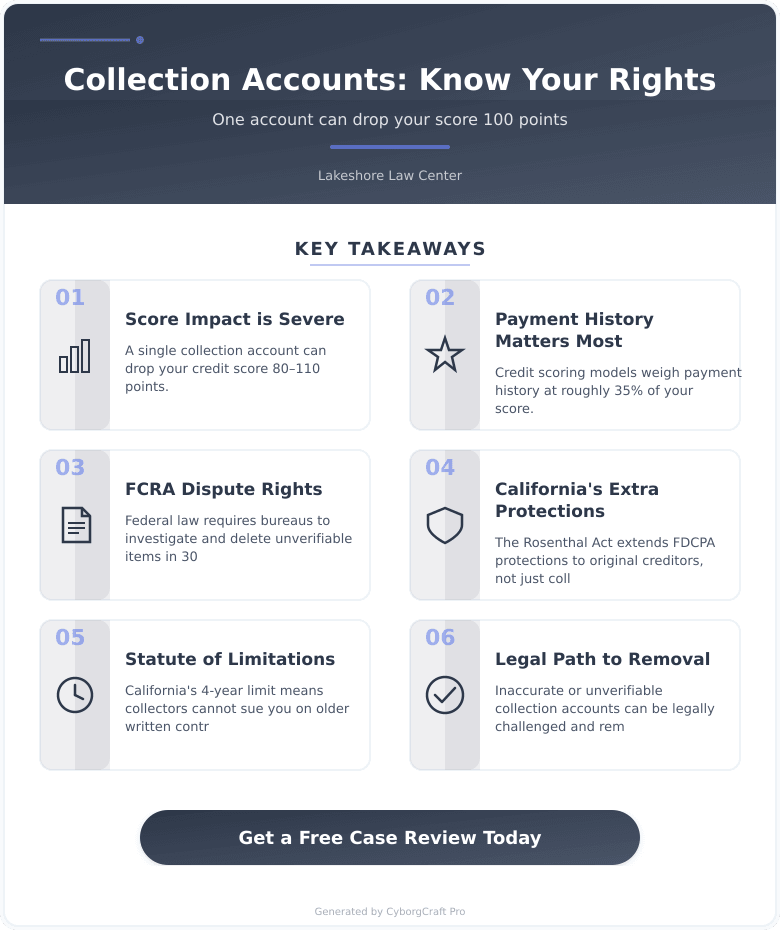
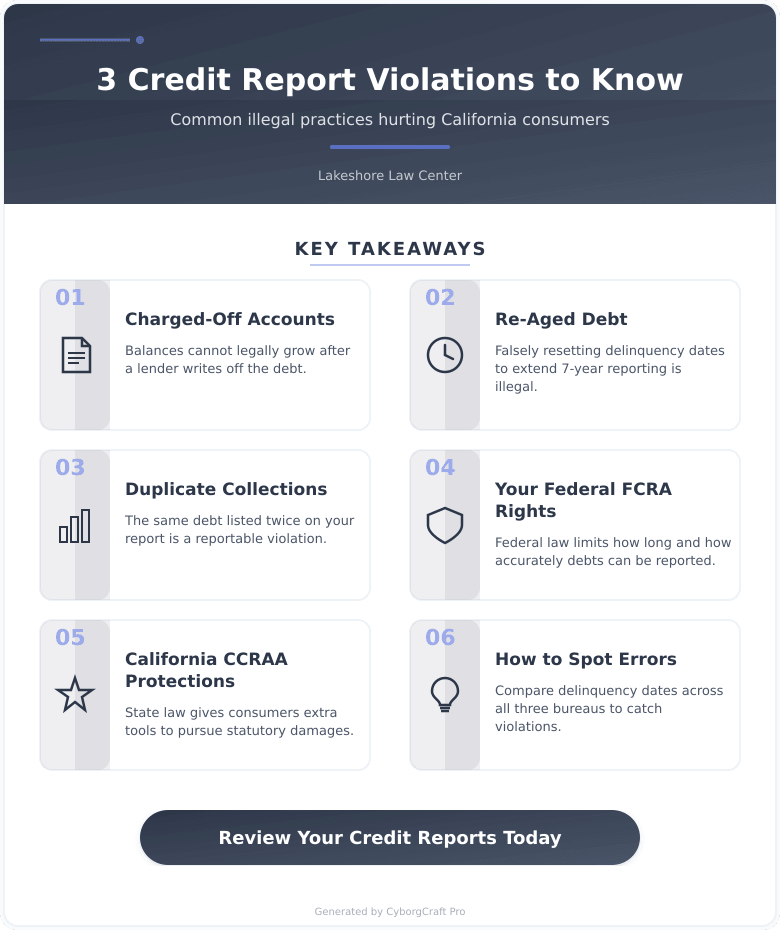
Charged-off accounts, re-aged debt, and duplicate collection entries are three of the most frequently occurring credit report violations – and most California consumers never recognize them. A charged-off account that shows a growing balance after charge-off, a collection with an altered delinquency date, or two entries for the same debt can each cause serious score damage and may violate both federal and California law. The Fair Credit Reporting Act and California’s Consumer Credit Reporting Agencies Act give consumers the right to dispute these errors and, when violations are willful, to pursue statutory damages. Knowing the difference between a legitimate negative item and an illegal reporting practice is what separates consumers who fix their reports from those who wait years for damage to expire on its own.

What a 100-Point Credit Score Increase Is Actually Worth in California – The Real Dollar Value of Fixing Your Credit

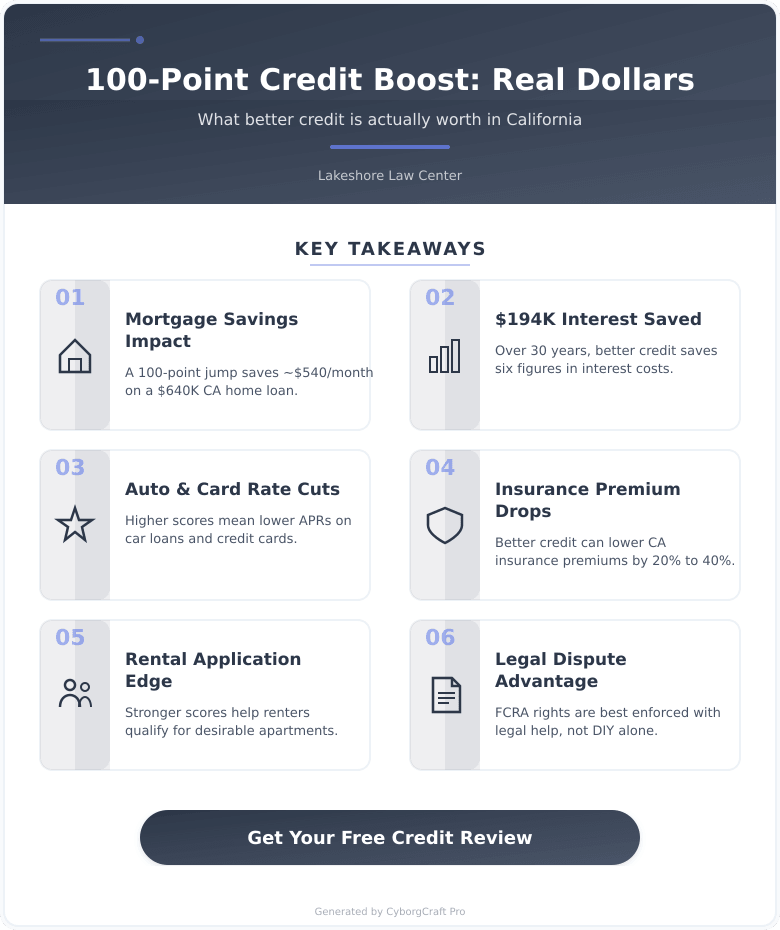
Raising your credit score by 100 points is not just a financial goal – in California, it is a measurable dollar figure that shows up in your mortgage payment, your car loan rate, your insurance premium, and even your ability to rent an apartment. With California’s median home prices running well above the national average in 2026, the gap between a fair and a good credit score can translate to more than $150,000 in interest savings over a 30-year mortgage alone. Beyond home loans, auto rates and credit card APRs shift significantly with a 100-point improvement. California residents also benefit from stronger credit dispute protections than most other states, giving them real legal tools to challenge inaccurate negative items. Understanding what your credit report actually says – and whether the negative items on it are accurate and within their legal reporting window – is the first step toward capturing that financial value.

What Debt Recovery Attorneys Won’t Tell You About Credit Repair (It’s Actually More Complex Than You Think)

This post reveals the complex legal aspects of credit repair that most attorneys don’t discuss openly. It explains why DIY approaches often fail, how collection agencies operate, and when credit issues require legal intervention rather than simple dispute letters. The article provides insights into federal consumer protection laws and identifies red flags that indicate the need for professional legal help.

Credit Repair Lawyers Keep This Settlement Strategy Secret (Here’s the Truth)

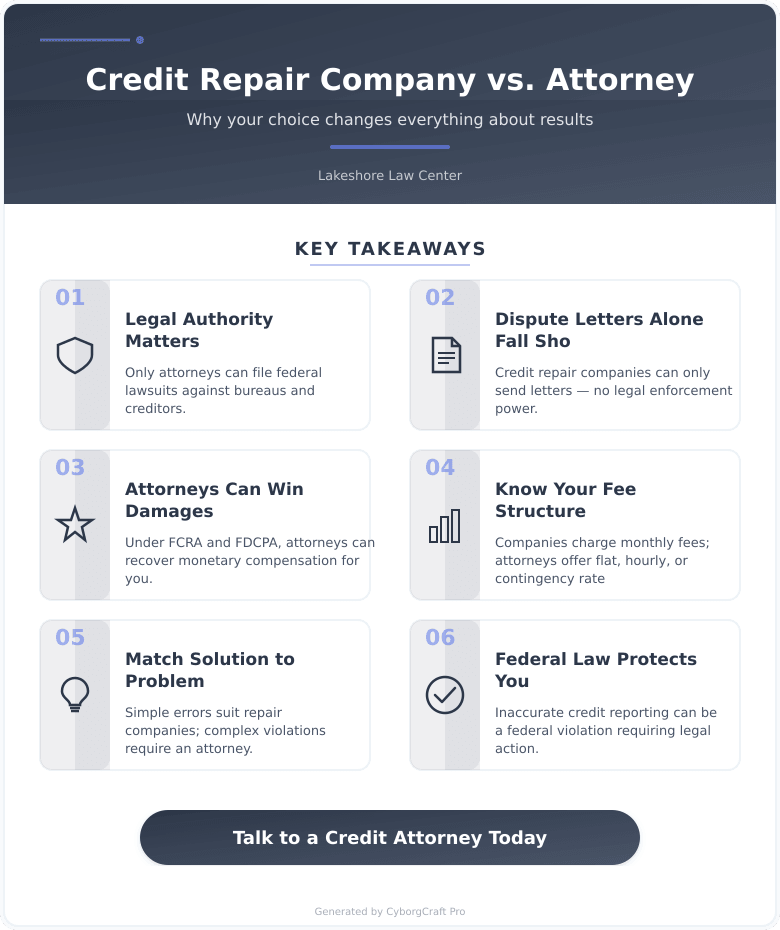
Most people don’t know credit repair lawyers operate differently from traditional credit repair companies. While regular services are limited to disputes and phone calls, lawyers use federal laws like FCRA and FDCPA to find violations worth thousands in damages. The secret strategy combines ‘pay for delete’ with violation claims, creating leverage for settlements that remove negative items and compensate clients. Timing is critical since violation claims expire after one year. California residents have extra protections, and certain red flags like harassment or identity theft require legal intervention. Most credit repair lawyers work on contingency for violations.

The Best Time to Dispute Your Credit Report Is Right Now – Here’s Why

Disputing credit report errors can save thousands in interest and unlock better financial opportunities. This guide explains the best timing strategies, identifies which errors are worth disputing, and provides a step-by-step approach for both DIY and professional resolution paths. Key focus on avoiding common mistakes and understanding your consumer rights.

What Credit Bureaus Won’t Tell You About Quick Score Boosts (It’s Surprisingly Simple)

This post reveals insider strategies credit bureaus don’t publicize for raising credit scores quickly. Key tactics include timing payments before statement closing dates to lower reported utilization, maintaining optimal credit mix, keeping small balances on one card while zeroing others, and identifying common report errors affecting 25% of consumers. The article explains new 2025 regulations favoring consumers, particularly regarding medical debt and collection validation. Practical advice covers authorized user strategies, avoiding score-damaging mistakes like closing old accounts, and focusing on high-impact changes that can improve scores 20-40 points within months rather than years.

Red Flags That Mean You Need Credit Repair Litigation Immediately

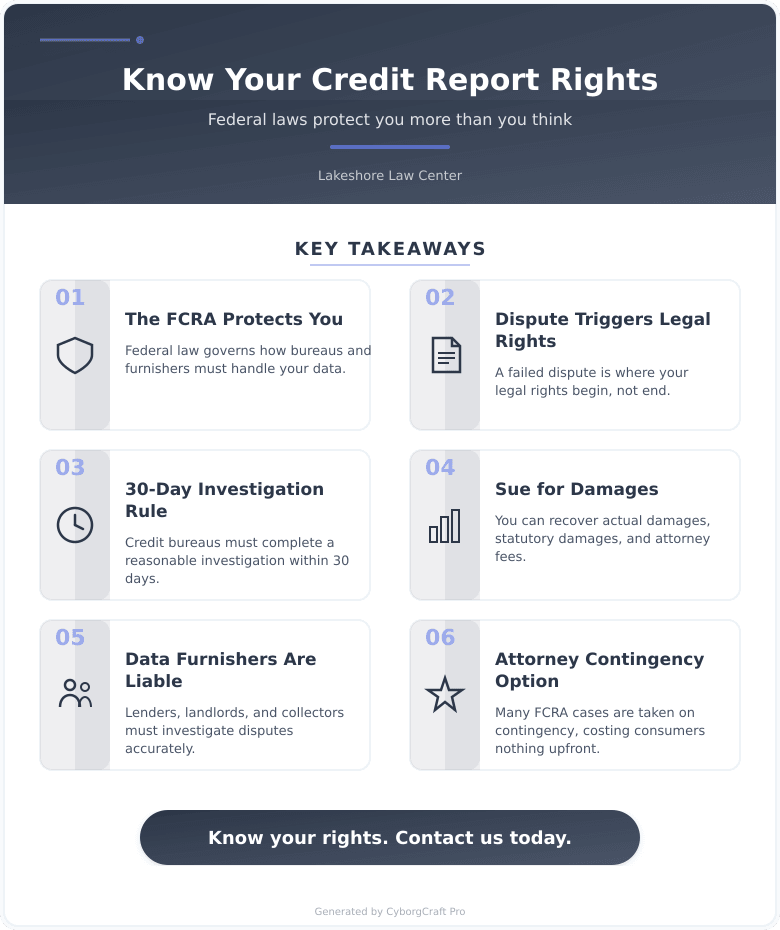
Credit repair litigation becomes necessary when standard dispute processes fail and credit bureaus continue to report inaccurate information. Key warning signs include repeated verification of obviously wrong information, form letter responses, and recurring errors. The process involves using federal law to force proper investigations, often resolving without courtroom drama. With credit errors potentially costing thousands in higher interest rates and lost opportunities, legal action can be a sound financial investment. Time limits apply, making prompt action crucial for protecting your rights under the Fair Credit Reporting Act.

Back to top